Teens Adapt Relaxation Techniques, Thrive




Simple methods to unwind
By Evie Chow


After a long and tiring school day, one of the best things to do is relax. There are numerous ways to unwind when life gets stressful, especially as the end of the school year looms. Here are some of the best methods of relaxation.
Going outside is one of the best ways to disconnect from life’s challenges. Even a 10-minute walk can be beneficial; spending time with nature and exercising often helps one’s physical and mental health.
While social media may be tempting, detoxing from screens is one of the best techniques for relaxation. Allow yourself to put down your phone and live in the moment. Interact with your family and friends in person, and remember- Instagram Reels will still be waiting for you when you return.
Listening to music or reading books are great options allowing escape from reality and into an alternative world. Both activities can soothe and reduce stress, as they can take one’s troubles off the mind.
Artistic activities like journaling, drawing, and writing can be creative outlets for relaxation. These methods promote self-expression and allow one to focus on things that are inherently relaxing.
A medically proven relaxation technique is meditation. Mayo Clinic highlights how meditation leads to better physical and emotional health, focusing on one thing, and subsequently removing stressful thoughts.
Another stress-relieving technique is deep breathing exercises. Slowing down and taking deep breaths every once in a while creates increased oxygen intake, which can reduce stress hormone levels.
Relaxation techniques have many favorable effects on both one’s physical and mental health. From lowering one’s blood pressure to boosting mood, the effects of taking a few minutes each day to engage in relaxation methods can be significant. Unwind and reset your body and brain every once in a while, and use these simple and available methods to do so!






Recognizing the importance of relaxation
By Lilah Johnson

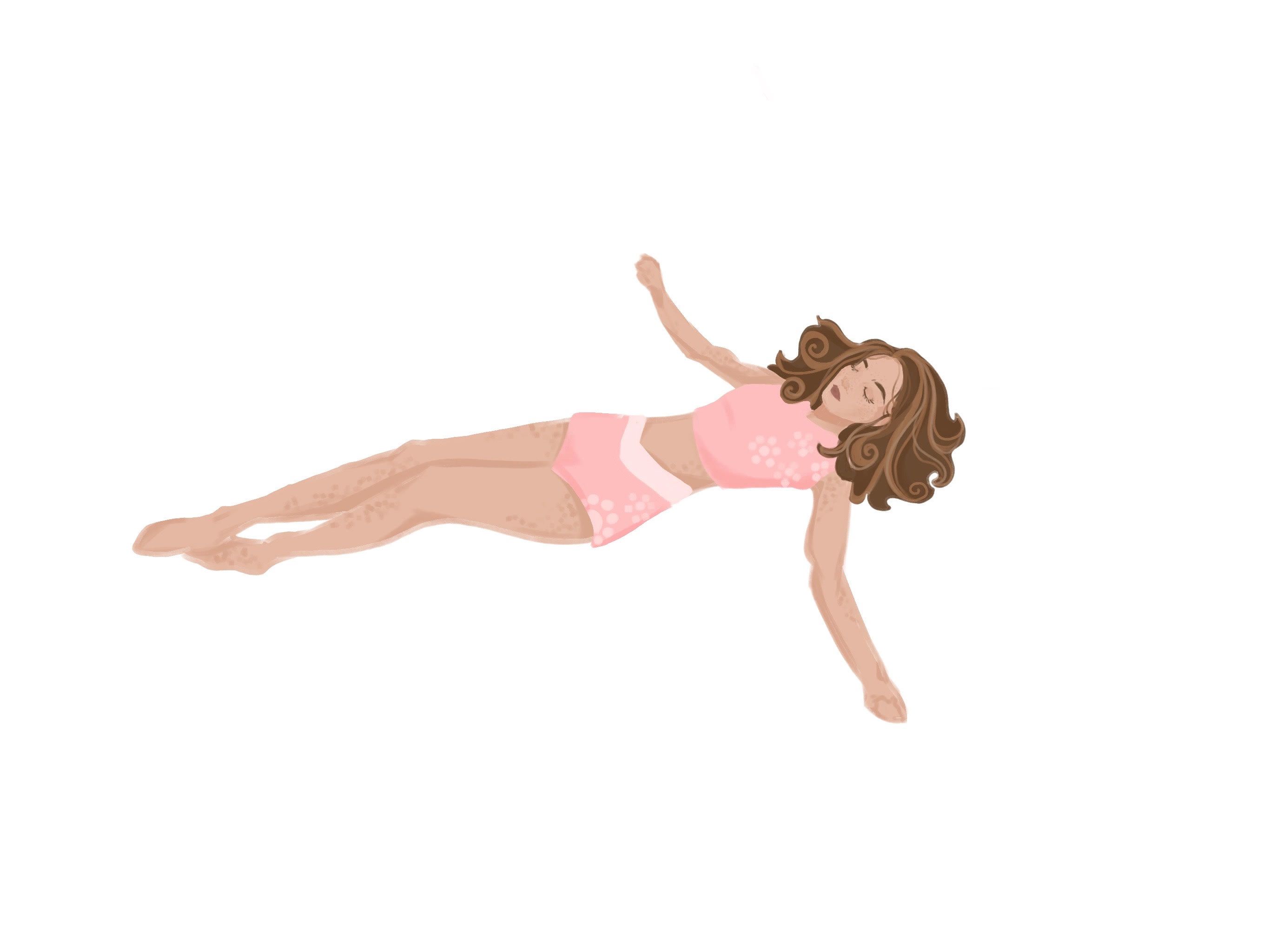
While it may feel impossible to find relaxation during the repetitive days of school, sports, piles of homework, and all the other things that need to be done, it is vital we make time for ourselves, especially during these days.
So what actually is relaxation? According to Oxford Language, relaxation is“a state of calmness or reduced tension in the body and mind, and is often characterized by freedom from stress, anxiety, and worry.” While it may feel impossible to escape from all the stresses and worries that school can cause, it is very beneficial, especially to Upper School students.
According to the US Department of Veterans Affairs, relaxation is important because when the body is stressed, it triggers a fight-or-flight response. When the perceived threat is over, the body returns to a balanced, resting state. However, when the body faces too many stressors, the fight or flight response begins to work overtime, which leads to consequences for a person’s health. The rigorous days of school can cause extreme stress levels, leading students to feel like they are never truly relaxed.
Relaxation doesn’t just make us feel better mentally: There are also physical benefits. According to Advent Health, relaxation has many health benefits, including reducing the risk of stroke, lowering blood pressure, reducing fatigue, and improving digestion. However, the benefits that impact students the most include improved concentration due to stress reduction and the promotion of emotional well-being.
There are many different ways to think of relaxation. While traditional relaxation methods include guided meditations, yoga, and breathing exercises, relaxation can come in many forms, and it is important to focus on what makes you feel good. For example, while it is certainly important to have moments of calm and quiet throughout the day, it is also important to clear your mind through physical activity or doing things you truly enjoy. Relaxation comes when you feel free and relieved of the things that bring you stress, meaning that it can come in any form, as long as it makes you feel good and does not cause harm.


Assembly and Guest speaker Lisa Damour during her presentation about teen health on May 1. She touched on topics like taking care of ourselves and others. The night prior, she spoke to the entire faculty. Damour’s books, “Untangled” and “Under Pressure,” were utilized as primary resources for the Pixar team for the film “Inside Out 2,” providing perspectives and insights into the real-life experiences of teenagers.
Assembly and Guest speaker Lisa Damour during her presentation about teen health on May 1. She touched on topics like taking care of ourselves and others. The night prior, she spoke to the entire faculty. Damour’s books, “Untangled” and “Under Pressure,” were utilized as primary resources for the Pixar team for the film “Inside Out 2,” providing perspectives and insights into the real-life experiences of teenagers.
"To continue to work and grow, you’re going to need to take that day out of the emotional jamb or the intellectual jamb."
Adolescent-focused psychologist, Dr. Lisa Damour
 Built with Shorthand